
24 November 2026 | Hilton London Metropole
Developed in collaboration with influential nurse leaders and partners from across health and social care, Nursing Leaders 2026 focuses on the major system-wide shifts shaping the future of care, and the leadership role nurses play in making them a reality.

A strategic space for senior nursing leaders shaping the future of health and care, focused on national policy, system leadership, and the long-term direction of services, translating strategy into delivery.

Practical insight into how digital tools support safe, effective care, including co-design and clinical engagement, digital safety and assurance, AI in everyday practice, operational efficiency, and implementation at scale.

Exploring how systems, workforce, and care models are evolving, with sessions on prevention-led and integrated care, hospital to community transformation, population health and equity, and workforce strategy.

An interactive space for practical discussion, peer learning and reflection on leadership, communication, team dynamics, culture, problem-solving and clinical solutions across key health and care settings.
08:30
Registration
The Leadership Forum
09:10
Opening remarks

Steve Ford, Editor, Nursing Times
09:20
Keynote Address – The Three Shifts Shaping the Future of Health and Care
Health and care systems across the UK are undergoing profound change. While policy frameworks differ between the four nations, there is shared direction of travel, including a stronger focus on prevention, care closer to home, and the growing role of digital and data-enabled approaches.
This keynote sets the tone for the day by exploring three system-level shifts shaping the future of health and care, and the role nursing leadership plays in translating national ambition into practical, locally relevant delivery across acute, community and social care settings in the UK
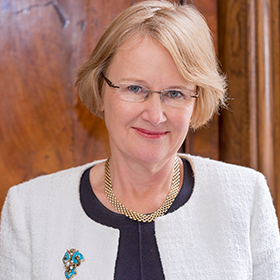
Baroness Mary Watkins of Tavistock , Crossbench Peer
09:50
Panel Discussion 1: Aligning Nursing Leadership Across the UK
Health and care policy is devolved across the UK, resulting in different structures, levers and priorities across England, Scotland, Wales and Northern Ireland. At the same time, nurse leaders across all four nations are grappling with shared challenges, including workforce sustainability, budget constraints, quality and safety, system integration and rising demand.
This panel brings together Chief Nursing Officers from across the UK to explore how nursing leadership responds within different national contexts, where priorities align and diverge, and how leadership can work collectively to close the gap between policy and practice.
Chair:
Steve Ford , Editor, Nursing Times
Panellists:

Linda Jones , Nursing Officer, Strategic Nursing Workforce & Education, Office of the Chief Nursing Officer, Wales
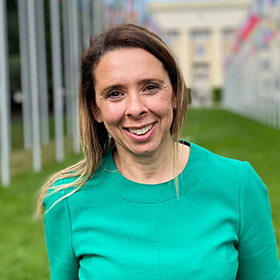
Professor Aisha Holloway , Chief Nursing Officer, Scotland

Michelle Bateman, Deputy Chief Nursing Office NHS England, NHS England
10:40
Networking break
11:10 - 12:45
Panel discussion 2: Strengthening Cross-Sector Leadership for a Prevention-Led Health and Social Care System
11:10 - 11:55
Preventing ill health and reducing avoidable harm are shared priorities across the UK acute, community and social care settings. Delivering this in practice requires leadership that works across organisational, professional and sector boundaries, often in complex and resource-constrained environments.
This session brings together leaders with experience of driving system change to explore how nursing leadership enables prevention-led approaches through integrated systems, neighbourhood teams and partnerships, with practical insights on what works in supporting earlier intervention, care closer to home and improved outcomes.
Chair:
Panellists:
Amanda Hinkley, Head of Occupational Health, Safeguarding Lead, Associate Caldicott Guardian, UK Health Security Agency

Sarah Copperwheat MSc Clinical Dermatology, Nurse Manager Prescribing team, Sussex Community Dermatology Service (Hove)
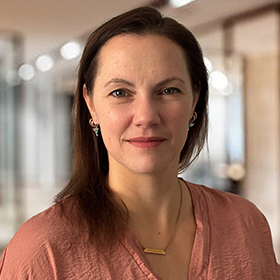
Professor Claire Pryor, RCN Foundation chair and professor of adult social care nursing, School of Health & Society, University of Salford
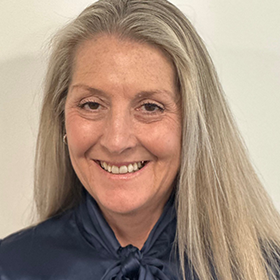
Vanessa Crossey,
Director of Clinical Governance,
NHS Professionals
Panel Discussion 3: Leading for Retention: Culture, Civility and Compassion
12:00 - 12:45
Sustaining safe, high-quality care depends on the cultures in which nurses work, and the everyday behaviours that shape whether people feel valued, supported and able to stay. For nurse leaders, creating the conditions for retention is a leadership responsibility.
This panel explores how nursing leadership influences culture, civility and compassion across acute, community and social care settings in the UK. Panellists will reflect on building inclusive and respectful workplaces, addressing behaviours that undermine safety and wellbeing, and leading cultures that support retention, resilience and long-term sustainability of the nursing workforce across acute, community and wider system contexts.
Chair:
Panellist:

Alison McCourt CBE, Former Chief Clinical and Quality Officer, Nuffield Health
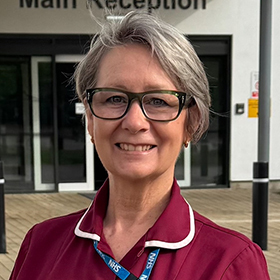
Beverley Murphy, Chief Nurse and Interim Deputy CEO, Tees, Esk and Wear Valleys NHS Foundation Trust

Joanne Bosanquet MBE, CEO, The Foundation of Nursing Studies (FoNS)

Christine Pabico, Sr. Director, Pathway to Excellence and Well-being Excellence, American Nurses Credentialing Center
The Digital Innovation Hub’s Opening Remarks
11:10 - 11:15
Chair:
Professor Arlene Wellman MBE
, Strategic Adviser,
Florence Nightingale Foundation (FNF)
A representative of Radar Healthcare
Panel discussion Embedding Co-Design and Clinical Engagement for Successful Digital Implementation
11:15 - 12:00
When nurses and clinicians are involved from the outset, digital solutions are far more likely to support safe, effective, person-centred care. Strong clinical engagement helps ensure that technology reflects the realities of practice and adds genuine value at the point of care.
Drawing on real-world examples, panellists will focus on practical lessons, what has enabled success in practice, and how co-design and clinical engagement can be embedded throughout the lifecycle of digital implementation across acute, community and wider system settings.
Chair:
Professor Arlene Wellman MBE
, Strategic Adviser,
Florence Nightingale Foundation (FNF)
Panellist:

Antonia Frost, CNIO, Sussex Community NHS Foundation Trust
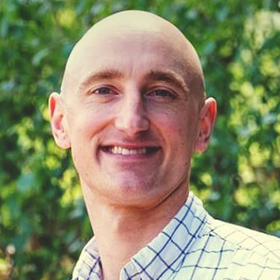
Conor McGee, Chief Nursing Information Officer, Lincolnshire Partnership, NHS Foundation Trust

Lincoln Gombedza,
MSc, RNLD – Inclusion and Belonging Lead and Nurse Citizen Developer,
North Staffordshire Combined Healthcare Trust (NSCHT) -
Founder, Nursing Citizen Development
Case Studies: From Potential to Practice: AI in Health and Care
12:00 - 12:45
Artificial intelligence is already being used across acute, community and social care settings to support clinical and operational activity. The focus is now less on future potential and more on how these tools perform in real-world practice.
AI-Enabled Clinical Decision Support Systems: Why keeping the 'Human in the Loop' Remains Essential for Patient Safety.
While AI and digital health solutions offer powerful answers to systemic healthcare challenges, their real value lies in how they support frontline staff. Drawing on the Nordic model, where Norway consistently leads in digital innovation, this presentation explores how AI-assisted clinical support systems reduce administrative burden and burnout. Crucially, we examine why clinician oversight is the non-negotiable foundation for safe, ethical, and trustworthy practice.

Ann Kristin Rotegård, CEO, VAR Healthcare
Judgement Stays with the Nurse: Using AI to Support Decisions Without Making Them
As nurses increasingly turn to AI for support during clinical shifts, questions arise around safety, reliability and professional judgement. Drawing on a four-week study of nurses using ClinicalKey Nursing AI in real clinical settings, this case study explores how AI supported decision-making in practice, including ahead of high-risk decisions and when questioning clinical orders. The session will share practical examples, lessons learned and key considerations for nursing leaders looking to introduce AI safely while ensuring clinical judgement remains firmly with the nurse

Tim Morris , Vice President, Go-to-Market of Elsevier
The System and Workforce Innovation Stage Opening Remarks
11:10 - 11:12
Chair:
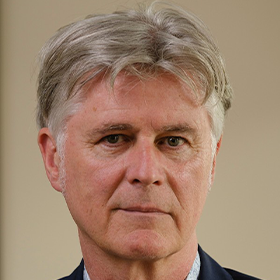
Professor James Buchan,
Senior Visiting Fellow,
The Health Foundation
Case Studies: Delivering Joined-Up, Person-Centred Care Across Services
11:12 - 11:50
Patients and families often experience care across multiple services and settings, and too often that care feels fragmented. Closer working across the health and care system, including social care, community services and wider system partners, is central to delivering more joined-up, person-centred support.
This case study cluster shares real examples of how teams across health, social care, community and wider system settings are working together in practice to improve coordination and continuity of care. Speakers will highlight approaches that reduce fragmentation, support smoother transitions between services, and create more consistent experiences for patients, families and carers across different UK contexts.
Speakers:
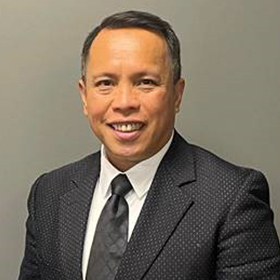
Oliver Soriano, Chief Nurse, Lancashire and South Cumbria Foundation Trust

Amerjit Chohan, CEO, Helpforce

Ashleigh Fox, Transforming Care Director, Catalyst Care Group
Unlocking Leadership Through Partnership
11:50 - 12:05
Speakers:

Helena Cummings, Senior Respiratory Nurse Specialist, Severe Asthma Service Lead, Hull University Teaching Hospitals NHS Trust

Shilpam Patel, Business Unit Director, AstraZeneca UK
This is a promotional symposium sponsored and organised by AstraZeneca and is intended for UK HCPs only.
Panel discussion: Advancing Clinical Safety and Assurance Through Non-Digital Innovation
12:05- 12:50
Many of the most effective improvements in clinical safety come from changes in practice, behaviours and systems, rather than technology alone. Preventing harm in day-to-day care relies on strong fundamentals, clear assurance and leadership that prioritises safety across all care settings.
This panel explores practical, non-digital innovations that improve clinical safety and reduce harm across acute, community and social care settings in the UK. Discussion will focus on approaches to preventing falls, pressure ulcers and violence, alongside how teams strengthen safety culture, assurance and quality improvement through consistent practice and leadership. Panellists will share real-world examples of how safer care is delivered and sustained across different settings.
Chair:
Professor James Buchan,
Senior Visiting Fellow,
The Health Foundation
Panellist:

Colin Quick, Chief Quality Officer (Chief Nurse and Director of Infection Prevention and Control), Priory Group

Reema Elvira D'Souza, Associate Chief Nurse - Governance, Buckinghamshire Health Care Trust

Jay Hamilton, Director of Business Development (Advanced Wound Care portfolio), Medline, Medline Industries, Inc.

Melanie Chambers, Deputy Chief Nurse, West Hertfordshire Teaching Hospitals NHS Trust
IS1
Building Confident, Leader-Ready Professionals from Day One: What Nursing Can Learn from Other Professions
11:15 – 12:00
As health systems shift and nurses are increasingly expected to influence digital, workforce and service redesign, leadership confidence cannot start at Band 7.
Drawing on insights from physiotherapy education and Jess’s background in nursing leadership, this session explores how professional identity, agency and leadership behaviours can be strengthened from the start of a career.
Introducing the 4 S’s framework – Support, Safety, Sponsorship and Sharing, the discussion considers how professions can create the conditions that enable early-career clinicians to develop voice, confidence and influence earlier.
Discussion themes

Jessica Sainsbury , CSP Student Support Officer, Chartered Society of Physiotherapy

Reena Patel , Assistant Director Workforce and Education, The Chartered Society of Physiotherapy

Nell Bennett , Specialist Paediatric Physiotherapist, CSP Steward and TUC General Council Young Workers Chair Epsom and St Helier University Hospitals NHS Trust
Nurturing Your Nervous System – Workshop
12:00 – 12:45
In the fast-paced and emotionally demanding world of nursing, the ability to regulate and support your nervous system is essential for both personal wellbeing and professional sustainability. This session explores the relationship between the brain, the nervous system and the realities of modern nursing practice. Through a compassionate and practical approach, it will introduce evidence-based techniques to help nurses better understand their responses to stress and build resilience in everyday situations.
Participants will learn simple, accessible tools that can be applied in daily life to support regulation, improve focus and enhance overall wellbeing, both in and outside of work.
Discussion themes:

Carol Camfield , Wellbeing Manager, Cavell

Bryony Ashcroft , Wellbeing Manager, Cavell
NHS Healthcare Uniforms – from decision to delivery
11:15 – 12:00
Over 30 NHS trusts have already implemented the NHS Healthcare Uniform, generated significant savings while improving role recognition and workforce experience. But what does successful implementation actually involve? Join this collaborative discussion with the NHS Supply Chain implementation team to explore the real-world challenges, leadership decisions and practical considerations behind a successful rollout. Through shared experiences and case study insights, we'll discuss what works, what to watch out for, and how nursing leaders can play a critical role in delivering positive outcomes for both staff and patients.
Ideal for nurse leaders who are exploring future adoption, planning implementation, or looking to learn from organisations already on the journey.
Karen Jones, Senior Matron, Frimley Health NHS Foundation Trust
Erica Isherwood, Clinical Procurement Matron, Mersey and West Lancashire Teaching Hospitals NHS Trust
Liessa Newnham, Head of Regional Implementation and Adoption, NHS Supply Chain
The Hidden Capacity Crisis: What Your Data Isn't Showing You
12:00 - 12:45
Nursing services are facing increasing demand, workforce pressures and growing complexity. Using insights from more than 20,000 wound assessments, this workshop explores what the data reveals about the future of chronic wound care, the capacity challenges facing healthcare systems, and the opportunities for leaders to act now to create more sustainable services for the decade ahead. Learning Outcomes
By the end of the workshop, delegates will be able to :
Recognise key trends emerging from large-scale community wound care datasets.
Understand the implications of chronic wound burden for workforce capacity and service sustainability.
Consider how data can support strategic decision-making, earlier intervention and service redesign.
Reflect on practical actions leaders can take to prepare services for future demand.
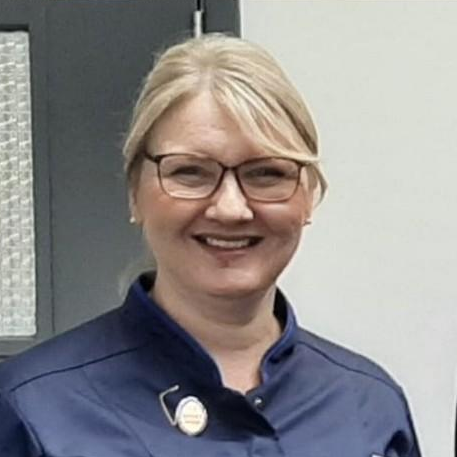
Becky Martin , Deputy Chief Nurse, Birmingham Community Healthcare Trust

Jacqui Hughes,
Senior Healthcare Outcomes Manager,
Smith+Nephew
12:45 - 13:45
Networking lunch
13:45
Panel Discussion 4: Care Model Transformation: From Hospital to Community
13:45 – 14:30
Long-term health and care plans across the UK make clear that improving outcomes and sustainability will require a shift away from hospital-centred care towards care delivered closer to home and within communities. This means rethinking where care happens, how teams work together, and how quality and safety are maintained across settings.
This panel explores how care delivery is being reshaped to support care closer to home, with a stronger emphasis on community-based and integrated models. Panellists will share experience of leading transformation across acute, community, social care and wider system settings, focusing on workforce implications, leadership challenges and the practical realities of delivering new models of care that improve continuity, quality and experience.
Chair:
Steve Ford,
Editor,
Nursing Times
Panellist:
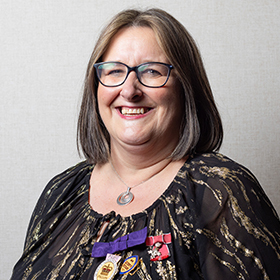
Steph Lawrence, Chief Executive, Queen's Institute of Community Nursing
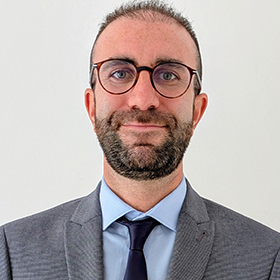
Stefano Pochetti, Head of Clinical Programmes-Professional and System Development, Nursing Directorate, NHS England – South East Region

Sarah Hanbridge, Chief Clinical Information Officer (CCIO), Leeds Teaching Hospitals NHS
A representative of Radar Healthcare
Panel discussion 5: Impactful Leadership in Practice: Influence, Presence and Sustainability
14:35 - 15:20
Leadership in health and care is increasingly complex and demanding. How leaders show up, influence others and sustain themselves over time directly shapes system redesign, safe care delivery and the ability to lead change in constrained environments.
This session explores how leaders make difficult decisions, exercise judgement under pressure and lead change in constrained systems. Panellists will reflect on the ethical realities of leadership, the impact of difficult trade-offs on staff and leaders, and how to remain credible, accountable and focused on safe, high-quality patient care in challenging conditions.
Chair:
Steve Ford, Editor, Nursing Times
Panellists:

Jan Stevens CBE, Chief Nurse , Wellington Hospital
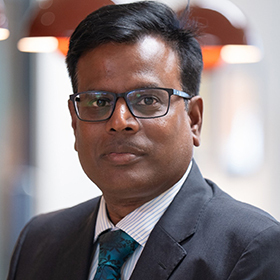
Coumarassamy Marimouttou MBE, Deputy Chief Operating Officer & Dep Accountable Emergency Officer, Hampshire and Isle of Wight Healthcare NHS Foundation Trust
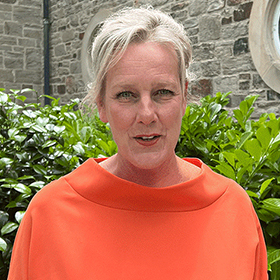
Em Wilkinson-Brice, Non-Executive Director, , Cornwall Partnership NHS Foundation Trust
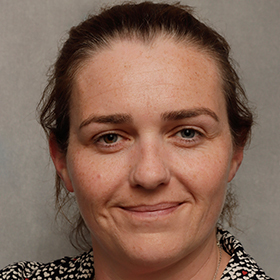
Kelly McGovern, Chief Nurse & Director of Infection Prevention & Control, West Hertfordshire Teaching Hospitals NHS Trust
Fire side chat: State of Nursing and Global Health
15:25 – 16:05
Steve Ford, Editor, Nursing Times

Howard Catton, Chief Executive Officer, International Council of Nurses (ICN)
Closed
16:05
Case study :
The Space Between Alert and Action
13:45 - 14:15
Modern hospitals generate more signals than ever, from nurse calls and alarms to escalation routes and operational tasks. Yet nursing teams may still have to connect them and coordinate the response.
Drawing on decades of clinical practice as a nurse and his work in health technology, Paul Hinchley examines the overlooked space between alert and action. Using Martha’s Rule as a timely example, he asks what nursing leaders should expect from technology when every concern must become visible, owned and acted upon.

Paul Hinchley , Clinical Solution Specialist, DNV Imatis
Case study: Radar Healthcare and Ramsay Health
14:35 – 15:05
Case studies cluster: Safety improvement through technology
15:25 – 16:10
Patient safety remains a core priority across the UK health and care system, with digital tools increasingly supporting risk reduction, learning and improvement in a range of care environments.
This case study will showcase how digital solutions, clinical decision support tools and improved data flows are being used to support safer care in everyday settings.
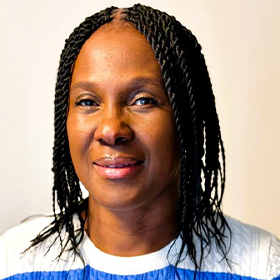
Masline Chitura , Quality Director, Berkley Care Group

Ashling Coyle, Chief Executive Officer, Panther Software

Chris Curd
, CTO,
Panther Software
Closing Panel Discussion: Health and Care 2050: Shaping a Human-Centred Future for Health and Care.
16:10 – 16:55
Looking 20 to 30 years ahead, advances in AI, robotics, and digital technologies have the potential to fundamentally reshape how acute, community and social care services are delivered, and how the workforce is organised and supported across the UK. This session creates space to think beyond immediate pressures and consider what care could become in the decades ahead.
The panel will explore how emerging technologies may transform workforce models, planning, and clinical decision-making, and what this could mean for patients’ experiences of care across different settings. Panellists will reflect on the leadership needed to guide long-term change, ensuring that technological progress strengthens, rather than undermines, the human core of health and care and nursing.
Chair:
Professor Arlene Wellman MBE
, Strategic Adviser,
Florence Nightingale Foundation (FNF)
Panellist:
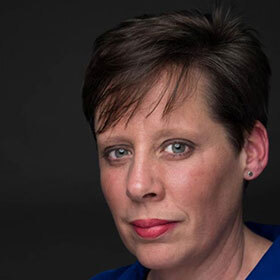
Helen Balsdon , CNIO, NHS England.

Dr. Marion Lynch , Founder and CEO, Art of Nursing CIC

Professor Gemma Stacey, Associate Dean for Practice in the School of Social Sciences, Nottingham Trent University.

Jack Needham,
Co-founder & CEO,
Sanctuary Health
Case studies: Redesigning Clinical Pathways for Better Care
13:45 - 14:30
As demand grows and services adapt across the UK, teams are rethinking how clinical pathways are designed, delivered and coordinated across organisational and sector boundaries. Well-designed pathways can improve outcomes, support safer care and create smoother experiences for patients, families and staff.
This session highlights practical examples of clinical pathway redesign across health and care settings. Speakers will share what has changed in practice, how improvements have been sustained, and what others can learn about designing pathways that work better for patients, clinicians and services across different system contexts.
Chair:

Professor Steve Hams MBE,
Group Chief Nursing and Improvement Officer,
Bristol NHS Group
Speakers:
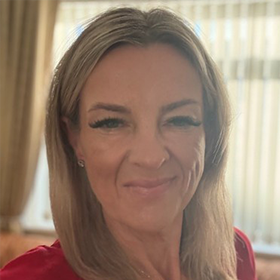
Clare Hutton , Operational Transformation Management Trust Lead, Harrogate and District NHS Foundation Trust
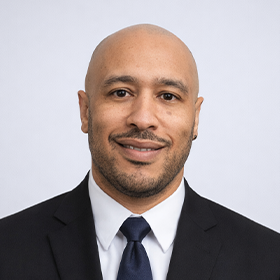
Matthew Price
, Senior Mental health practitioner / Social worker,
Greater Manchester Mental Health NHS Foundation Trust
Case Studies Cluster: Advancing Population Health Through Prevention and Equity
14:35 - 15:20
Improving population health requires approaches that address inequality, support early intervention and respond to the needs of diverse communities across the UK. Practical innovation plays a key role in translating these ambitions into measurable outcomes.
This case study cluster showcases real-world approaches to population health innovation, focusing on prevention, early intervention and equitable access to care across acute, community and social care settings. Speakers will share how this work has improved outcomes for diverse populations, what has enabled success in practice, and what others can learn about designing population health initiatives that are inclusive, effective and sustainable.
Speakers:

Rita Araújo, Head of Children’s Commissioning and Transformation, NHS Surrey and Sussex Integrated Care Board

Heidi Kennedy, Head of Complex Care, Bluebird Care

Professor Brian Dolan OBE,
Honorary Professor of Leadership in Healthcare,
University of Salford
Panel Discussion: Embedding Inclusion, Equity and Belonging in Recruitment and Retention
15:25 – 16:10
Inclusion, equity and workforce cohesion play a critical role in recruitment and retention across the health and care workforce. Experiences vary significantly across settings and roles, including for internationally educated and global majority nurses.
This session explores practical actions leaders can take to embed inclusive and equitable approaches across recruitment, induction and workforce development. Panellists will focus on bridging hierarchical and generational divides, strengthening understanding across diverse teams and creating cultures of belonging. The discussion will highlight how intentional inclusion supports retention, strengthens teams and enables people from all backgrounds to thrive across health and care settings.
Chair:
Professor Steve Hams MBE,
Group Chief Nursing and Improvement Officer,
Bristol NHS Group
Panellists:
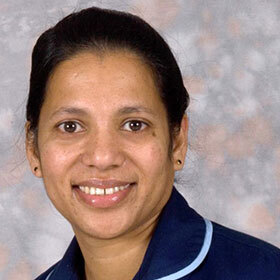
Agimol Pradeep, Senior Transplant coordinator, Kings College Hospital, London and Honorary Senior Lecturer, University of Salford

Justine Le Bon Bell, Head of Education & Development, Family Nursing and Home Care, Jersey
Professor James Buchan, Senior Visiting Fellow, The Health Foundation
Closed
16:10
IS3
Leadership Under Scrutiny: What Actually Works? Compassion, Team Coaching and Performance
13:45 - 14:30
As leaders face growing scrutiny, workforce pressures and rising expectations, what does compassionate leadership look like in practice, and can it still deliver results?
This collaborative session explores how compassion, accountability and performance can work together, with a focus on compassionate team coaching as a leadership capability for complex health and care systems.
Discussion themes:
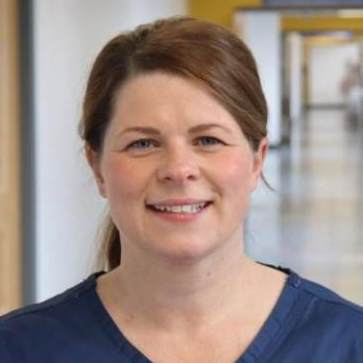
Rebecca Kenny , Head of the Centre for Compassionate Leadership in Nursing and Midwifery RCN Foundation

Deepa Korea MBE , Director, RCN Foundation
IS4
Advancing Nursing Excellence: Strategic Leadership Through the ANCC Nursing Excellence Framework
14:35 – 15:20
This workshop explores the ANCC Nursing Excellence Framework as a strategic approach to strengthening practice environments, workforce outcomes and system-wide transformation. Nurse leaders will share practical approaches to sustainable culture change, operational improvement and organisational readiness for ANCC accreditation and credentialing.
Discussion themes:

Dr. Jennifer Graebe, Senior Director, NCPD and Joint Accreditation American Nurses Credentialing Center
Christine Pabico, Sr. Director, Pathway to Excellence and Well-being Excellence, American Nurses Credentialing Center
IS5
Flourish as a Leader: thriving against the odds
15:25 – 16:10
The challenges in our health and social care systems have only intensified following the COVID-19 pandemic.
This session invites us to look honestly at the issues we face - the realities of trauma exposure, burnout, empathic strain and moral injury, and to explore what's really needed for psychological safety, for ourselves and the teams we lead.
This is an opportunity to name what's going on around you and within you, and to consider what you might need to flourish as a leader.
Discussion themes:

Clare Cable , Chief Executive, Burdett Trust for Nursing
Closed
16:10
Partnering for Better Health: From Scientific Leadership to Population Health Impact
13:45 - 14:30
Helena Cummings , Senior Respiratory Nurse Specialist, Severe Asthma Service Lead, Hull University Teaching Hospitals NHS Trust
Cris Roxas, Asthma Consultant Nurse, Guy’s & St Thomas’ NHS Foundation Trust
Chandra Yagambrun, Lead Asthma Clinical Nurse Specialist, Croydon Respiratory Team
This is a promotional symposium sponsored and organised by AstraZeneca and is intended for UK HCPs only.
From policy to practice: Partnership as an enabler of the NHS three shifts
14:35 – 15:20
This workshop will explore how partnership working can help turn NHS policy into practice and enhance NHS productivity. Highlighting commercial collaboration, specialist expertise, alongside digital solutions can improve service delivery, strengthen workforce capability, and drive resilient productivity. The workshops will examine a practical example of collaboration and introduce how this may impact national programmes of care.
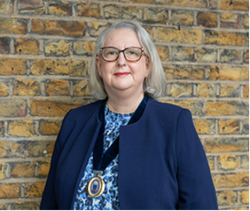
Prof. Alison Leary MBE, Professor of Healthcare & Workforce Modelling and Senior Consultant with the WHO Human Resources. London South Bank University
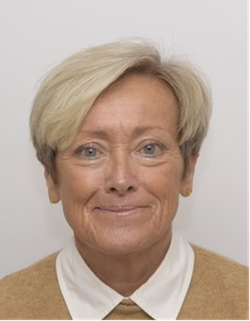
Doctor Terri Porrett
, Strategic Project Manager,
Coloplast

Mark Cheetham
, MD FRCS, Consultant Surgeon, National Clinical Lead for General Surgery,
The Shrewsbury and Telford NHS Hospital Trust, Getting It Right First Time Programme
Closed
15:25 – 16:10
Closed
16:10
16:55 - 17:00
Closing remarks
Professor Arlene Wellman MBE,
Strategic Adviser,
Florence Nightingale Foundation (FNF)
17:00
Event closed